
EASL 2026 Reflections: Key takeaways in late-onset genetic cholestasis and Alagille syndrome

Dr Silvia Vilarinho and Dr Deepak Joshi reflect on the highlights from EASL Congress 2026, focusing on late‑onset genetic cholestasis and new insights in Alagille syndrome. They discuss the expanding role of genomic testing in adults, the move toward multidisciplinary Genetic Grand Rounds, and emerging IBAT‑targeted therapies and pregnancy data that are changing diagnosis and management.
Evolving therapeutic approaches in late-onset genetic cholestasis

Carola Dröge and Verena Keitel-Anselmino discuss IBAT inhibitor therapy in adults with hereditary BSEP-deficiency at EASL 2026.
Uncovering hidden genetic causes in adult cholestasis

Jeremy Nayagam highlights research on genetic testing in adults with unexplained cholestatic liver disease and hepatitis and explains why such testing is important in the diagnosis of these patients.
AASLD 2025 Reflections: Key takeaways in primary sclerosing cholangitis

Dr Marlyn Mayo and Dr Andreas Kremer share key insights on primary sclerosing cholangitis from AASLD The Liver Meeting 2025, and explore the latest in therapeutic developments and symptomatology.
AASLD 2025 Reflections: Key takeaways in primary biliary cholangitis

Dr Andreas Kremer and Dr Marlyn Mayo highlight key advances in primary biliary cholangitis from AASLD The Liver Meeting 2025, and provide quick insights into the latest data on next-generation therapies.
Seladelpar improves wellbeing and lowers itch impact

Marlyn Mayo reviews RESPONSE analyses on seladelpar symptom effects in PBC.
Survey reveals limitations to pruritus assessment in PSC

Marlyn Mayo discusses findings on physician attitudes to managing pruritus in PSC.
Digital mind–body intervention helps symptom management in liver disease

A mind–body intervention accessed online may help patients with liver disease better manage their symptoms.
Volixibat improves fatigue and sleep in PBC alongside pruritus

An analysis of trial data indicates that, alongside reducing pruritus, volixibat helps normalize fatigue and sleep in PBC patients.
Long-term elafibranor therapy improves PBC outcomes

ELATIVE open-label extension trial findings support long-term elafibranor treatment in patients with PBC.
Distressing PSC symptoms fit profiles that could guide treatment
US researchers have found that the numerous and potentially distressing symptoms of PSC fit into four clear profiles.
ELATIVE: Sustained elafibranor benefit and biomarker potential

Mark Swain on 3-year elafibranor benefits, proteomics in PBC.
IBAT inhibitors may improve post-liver transplant pruritus

Treatment-refractory pruritus following liver transplant may be successfully treated with IBAT inhibitors, suggests a US case series.
Elafibranor improves symptom burden, unaffected by BMI

Andreas Kremer discusses post-hoc analyses from the ELATIVE trial showing independent improvement in patient-reported outcomes with elafibranor for patients with PBC and efficacy irrespective of BMI.
Countdown to AASLD 2025: A preview with Marlyn Mayo and Andreas Kremer
Dr Marlyn Mayo and Dr Andreas Kremer discuss what’s ahead at AASLD 2025, with a focus on advances in primary biliary cholangitis and primary sclerosing cholangitis. They share their perspectives on emerging research, key topics to watch, and what they are most looking forward to at this year’s meeting.
Countdown to AASLD 2025: A preview with Marlyn Mayo and Andreas Kremer
Dr Marlyn Mayo and Dr Andreas Kremer discuss what’s ahead at AASLD 2025, with a focus on advances in primary biliary cholangitis and primary sclerosing cholangitis. They share their perspectives on emerging research, key topics to watch, and what they are most looking forward to at this year’s meeting.
Updates on IBAT inhibitors from EASL 2025

Dr Richard Thompson and Dr Verena Keitel-Anselmino discuss the latest updates on IBAT inhibitors from EASL 2025, including their potential use in PBC patients based on promising phase I and II trial results.
Odevixibat update for adult PFIC, older Alagille syndrome patients

Updated results for adult participants of the PEDFIC2 trial and older children taking part in the ASSERT-EXT study.
Unmet needs in late-onset genetic cholestasis: an expert discussion

This CME-accredited expert discussion aims to highlight the unmet needs in late-onset genetic cholestasis and provide guidance on the use of genetic testing in the diagnostic workup and initial management steps for the different genotypes, with reference to key trials and updates from The Liver Meeting 2024: American Association for the Study of Liver Diseases (AASLD).
Comprehensive PBC management: innovative and personalized plans to enhance patient outcomes

Led by Emma Culver, this interactive case study follows a 40-year-old woman who is referred to the clinic following profound fatigue, and discusses how management plans can be personalized to best support patient outcomes.
IBAT trial updates confirm efficacy and safety for PFIC patients
Further findings on the efficacy and safety of ileal bile acid transporter inhibitors for patients with progressive familial intrahepatic cholestasis have been presented at the 2024 AASLD The Liver Meeting in San Diego, California, USA.
PFIC trial updates continue to support IBAT inhibitor efficacy and safety

Professor Richard Thompson shares his PFIC poster findings on the long-term efficacy and safety data of the PEDFIC 2 trial and the relationship between serum bile acid and event-free survival in the MARCH and MARCH-ON trials.
Navigating Challenges in PBC Management: Focus on Inadequate Responders and Symptomatic Itching
In this case study module, Marlyn Mayo discusses 3 short patient profiles to illustrate difficult situations when treating patients with PBC including managing inadequate response to initial therapy and symptomatic itching.
PBC Clinical insights: evaluating therapeutic response and disease management

CME case study for the identification and management of Primary Biliary Cholangitis (PBC) including therapy response and disease management, for a 42 year old with abnormal liver blood test results.
Coping with PBC: treatment challenges and QoL insights

Kris Kowdley meets with patient Sabrina Reeser as they discuss the patient experience of treatment for PBC, including treatment challenges, variability in doctor-patient communication and involvement in clinical trials.
ELATIVE updates from EASL 2024
Professor Marco Carbone reviews the latest updates from the ELATIVE trial of elafibranor, presented at EASL 2024 in Milan, Italy. Discover key insights on efficacy, quality of life improvements, and the broader significance of these results.
ELATIVE trial shows pruritus benefits with elafibranor in PBC

ELATIVE trial results for pruritus show benefits for both severity and impact on the quality of life of patients with primary biliary cholangitis.
Walking the path of PBC: navigating symptoms and QoL
David Jones meets with patient and patient advocate Mo Christie as they discuss the patient experience for PBC, including the burden of the disease and its impact on quality of life, with special reference to the common, and commonly misunderstood symptom, itch.
The Liver Meeting 2023 – updates to the current landscape

Dr Palak Trivedi joins Dr Gideon Hirschfield to explore pivotal insights from The Liver Meeting 2023. Together, they highlight crucial updates, unveil novel findings, and deliver a concise overview of the current landscape of PBC.
ELATIVE: Elafibranor shows treatment efficacy in patients with PBC
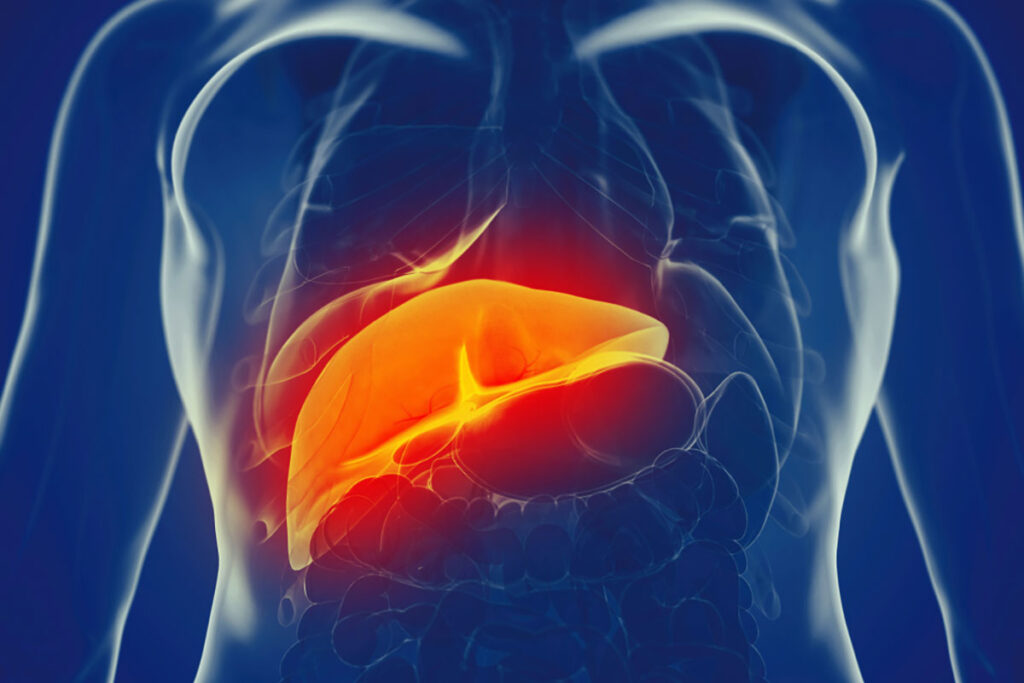
ELATIVE trial shows that elafibranor significantly improves biochemical response in patients with primary biliary cholangitis with anti-pruritic benefits.
Positive RESPONSE for seladelpar in patients with PBC

RESPONSE trial findings show seladelpar improves markers of disease activity and reduces pruritus in patients with primary biliary cholangitis.
Denosumab performs well against bisphosphonate for PBC-related osteoporosis

Denosumab is comparable to bisphosphonates for treating osteoporosis in patients with primary biliary cholangitis, but with fewer adverse effects.