
Evolving therapeutic approaches in late-onset genetic cholestasis

Carola Dröge and Verena Keitel-Anselmino discuss IBAT inhibitor therapy in adults with hereditary BSEP-deficiency at EASL 2026.
Observational data show IBAT inhibitor promise for pruritus in late-onset PFIC and ICP

Real-world data show promise for IBAT inhibitor use in adults with late-onset PFIC and women with ICP.
Intrahepatic cholestasis of pregnancy recurs in 4 in 10 pregnancies

Researchers evaluate the incidence of intrahepatic cholestasis of pregnancy recurrence and identify potential predictors.
Uncovering hidden genetic causes in adult cholestasis

Jeremy Nayagam highlights research on genetic testing in adults with unexplained cholestatic liver disease and hepatitis and explains why such testing is important in the diagnosis of these patients.
Case series suggests IBAT inhibitor benefits in adults with hereditary BSEP deficiency

Clinical data suggest comparable IBAT inhibitor response for adults with hereditary BSEP deficiency as seen in pediatric trials.
Targeted gene sequencing panel resolves unexplained cholestasis in about 5% of adults

A targeted next generation sequencing gene panel could offer a definitive diagnosis for some adults with unexplained cholestasis.
Researchers call for ICP to be included in hepatobiliary risk stratification

Intrahepatic cholestasis of pregnancy significantly increases the risk for developing hepatobiliary morbidity.
Bilirubin and platelet count predict native liver survival in adolescents with ALGS
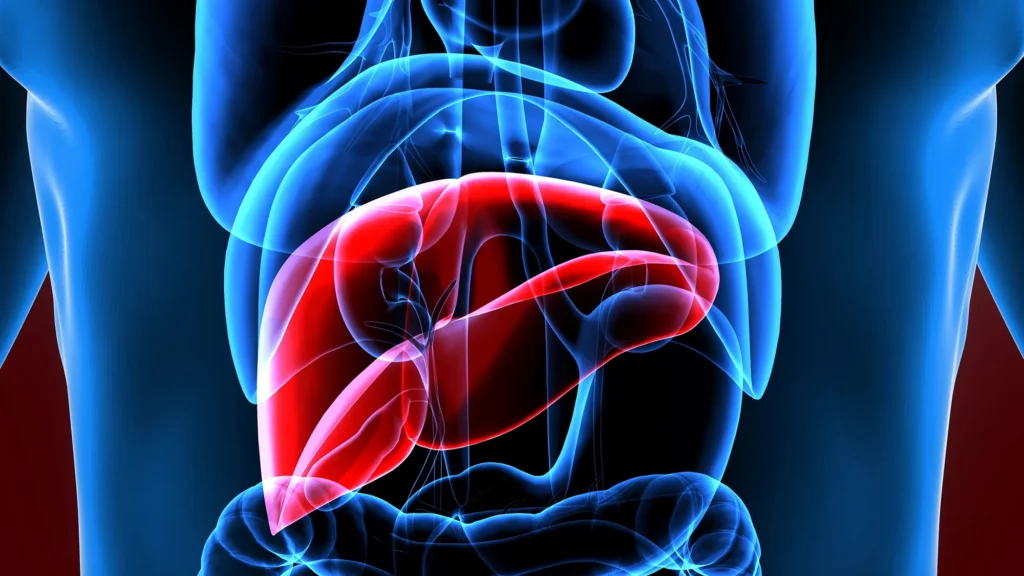
Researchers identify factors predicting improved native liver survival in adolescents with Alagille syndrome.
Genetic variants explain substantial proportion of undiagnosed cholestasis and hepatitis

Study findings support early genetic testing for unexplained idiopathic chronic cholestasis and hepatitis of unknown origin.
AASLD 2025 Reflections: Key takeaways in primary sclerosing cholangitis

Dr Marlyn Mayo and Dr Andreas Kremer share key insights on primary sclerosing cholangitis from AASLD The Liver Meeting 2025, and explore the latest in therapeutic developments and symptomatology.
AASLD 2025 Reflections: Key takeaways in late-onset genetic cholestasis

Dr Silvia Vilarinho and Dr Deepak Joshi share the highlights from AASLD The Liver Meeting 2025, with an emphasis on late-onset genetic cholestasis, and offer quick insights into new data on the growing utility of genetic testing and expanding therapeutic implications.
AASLD 2025 Reflections: Key takeaways in primary biliary cholangitis

Dr Andreas Kremer and Dr Marlyn Mayo highlight key advances in primary biliary cholangitis from AASLD The Liver Meeting 2025, and provide quick insights into the latest data on next-generation therapies.
Survey reveals limitations to pruritus assessment in PSC

Marlyn Mayo discusses findings on physician attitudes to managing pruritus in PSC.
Maralixibat offers clinically meaningful pruritus reductions in PSC

A real-world analysis of PSC patients given maralixibat suggests it offers meaningful improvements in pruritus.
Novel panel identifies variants in unexplained cholestatic cases

A large US gene panel has helped to elucidate the underlying genetic basis of unexplained cholestasis.
Gene mutations linked to adult cholestasis

Mitchell Shiffman discusses the value of genetic testing in adults with undefined cholestasis.
Distressing PSC symptoms fit profiles that could guide treatment
US researchers have found that the numerous and potentially distressing symptoms of PSC fit into four clear profiles.
Predictive model with standard clinical parameters differentiates PSC and SSC

Natural language programming could help identify which adults with cholestasis have late-onset progressive familial intrahepatic cholestasis.
NLP medical review may help identify adults with undiagnosed PFIC

Natural language programming could help identify which adults with cholestasis have late-onset progressive familial intrahepatic cholestasis.
Real-world data support seladelpar use in PBC patients switching from obeticholic acid

Real-world evidence supports seladelpar use in patients with PBC initiating seladelpar second-line or switching from obeticholic acid.
IBAT inhibitors may improve post-liver transplant pruritus

Treatment-refractory pruritus following liver transplant may be successfully treated with IBAT inhibitors, suggests a US case series.
Contraceptives linked to unique cholestatic phenotype

Raj Vuppalanchi reports findings characterizing the phenotype of women with hormonal contraceptive-associated drug-induced liver injury.
Elafibranor improves symptom burden, unaffected by BMI

Andreas Kremer discusses post-hoc analyses from the ELATIVE trial showing independent improvement in patient-reported outcomes with elafibranor for patients with PBC and efficacy irrespective of BMI.
Countdown to AASLD 2025: A preview with Marlyn Mayo and Andreas Kremer
Dr Marlyn Mayo and Dr Andreas Kremer discuss what’s ahead at AASLD 2025, with a focus on advances in primary biliary cholangitis and primary sclerosing cholangitis. They share their perspectives on emerging research, key topics to watch, and what they are most looking forward to at this year’s meeting.
Countdown to AASLD 2025: A preview with Deepak Joshi and Silvia Vilarinho
Dr Deepak Joshi and Dr Silvia Vilarinho discuss what’s ahead at AASLD 2025, focusing on late-onset genetic cholestasis and Alagille syndrome, and share what they are most looking forward to at this year’s meeting.
Countdown to AASLD 2025: A preview with Marlyn Mayo and Andreas Kremer
Dr Marlyn Mayo and Dr Andreas Kremer discuss what’s ahead at AASLD 2025, with a focus on advances in primary biliary cholangitis and primary sclerosing cholangitis. They share their perspectives on emerging research, key topics to watch, and what they are most looking forward to at this year’s meeting.
IBAT inhibitor case studies point to adult intrahepatic cholestasis benefits

Ileal bile acid transporter inhibitors help treat adults with drug-induced or pregnancy-related intrahepatic cholestasis
Diagnosing and managing late-onset genetic cholestasis: a clinical pathway tool

A practical algorithm tool to help you navigate the different clinical presentations, reach an accurate diagnosis, and take optimal first management steps.
EASL guidelines offer ‘framework’ for intrahepatic cholestasis of pregnancy care

Research confirms that the EASL guidelines aid risk stratification for intrahepatic cholestasis of pregnancy.
Pathogenic variants common in adult-onset cholestasis patients

Research shows the utility of genetic testing for patients with adult-onset cholestatic disease.
Genetic analysis aids diagnosis for atypical PFIC presentation

Case studies demonstrate the utility of genetic analysis and whole-exome sequencing for the diagnosis of progressive familial intrahepatic cholestasis in patients with nonspecific liver disease.
Unmet needs in late-onset genetic cholestasis: an expert discussion

This CME-accredited expert discussion aims to highlight the unmet needs in late-onset genetic cholestasis and provide guidance on the use of genetic testing in the diagnostic workup and initial management steps for the different genotypes, with reference to key trials and updates from The Liver Meeting 2024: American Association for the Study of Liver Diseases (AASLD).
Combination therapies and real world treatment for PBC patients

Dr Adriaan Van der Meer shares his insights on the results from the combination trial of obeticholic acid and bezafibrate for PBC patients, presented at EASL 2024 in Milan, Italy. In addition, discover key findings and learn about the RECAPITULATE trial, focusing on real-world treatment outcomes.
Andreas Kremer discusses advances in second-line obeticholic acid
Prof. Andreas Kremer provides his insights on studies on second-line obeticholic acid presented at The Liver Meeting 2023: its use in a real-world setting and as combination therapy with bezafibrate.